
From Souk to Sofa: How Moroccan Rugs Are Made (and Why It Matters)
Handwoven Moroccan rugs are more than beautiful floor coverings—they’re living works of art with centuries of tradition behind every knot. Understanding how these rugs are crafted not only deepens appreciation for their beauty but also highlights the cultural heritage and sustainable craftsmanship you bring into your home.
🐑 Step 1: From Fleece to Fiber
The process begins with locally raised sheep whose high-quality wool provides the foundation for each rug. Artisans shear the wool, then wash and card it by hand to create soft, strong fibers.
🌿 Step 2: Natural Dyeing
Rich, vibrant colors come from natural dyes—indigo for deep blues, pomegranate for warm reds, saffron for golden yellows. This eco-friendly method keeps the rugs safe for your home and the environment.
🧵 Step 3: Hand-Spinning the Wool
The wool is hand-spun into yarn, giving it a natural texture and slight variations that add depth and character to the finished piece.
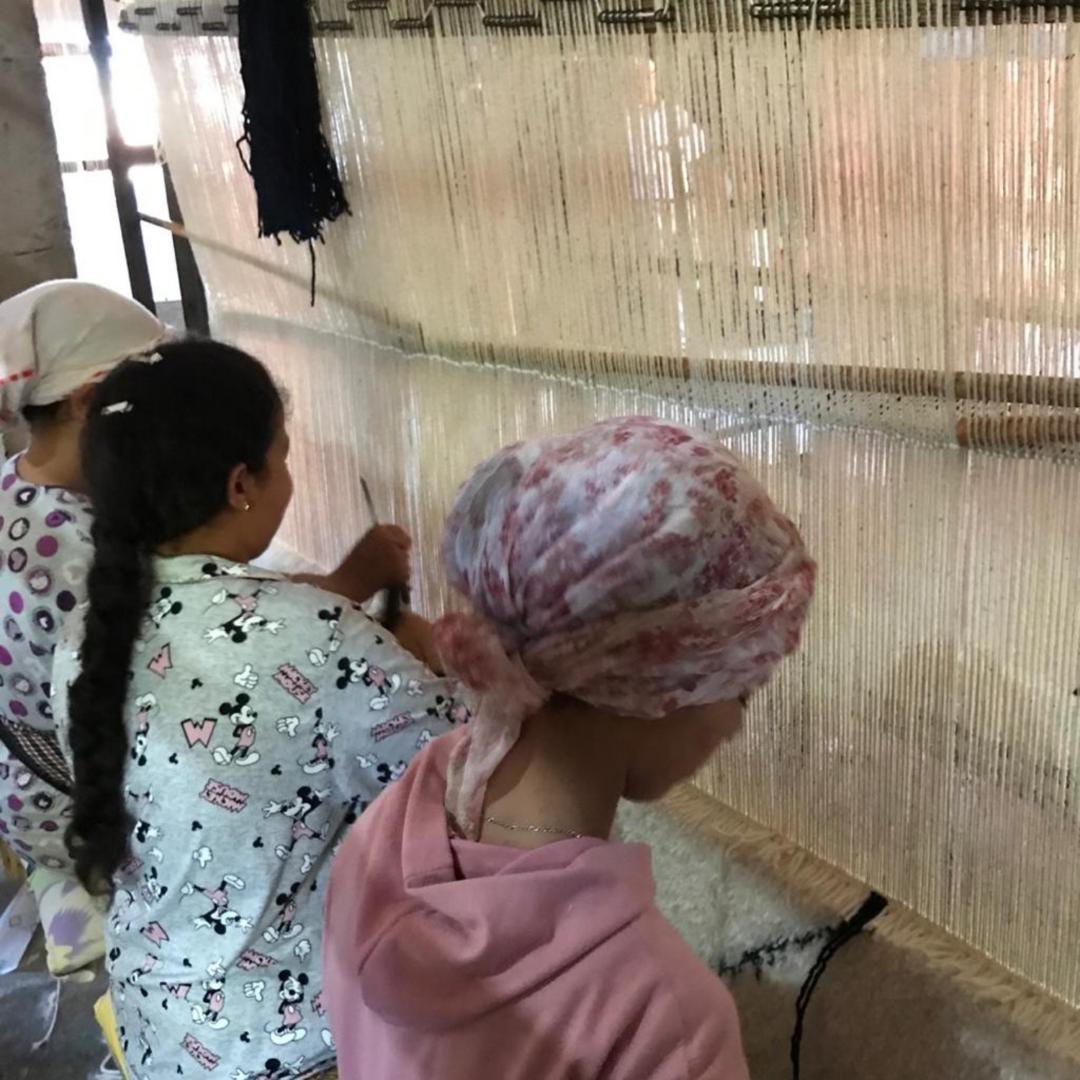
🪢 Step 4: Weaving the Story
Using traditional looms, skilled Berber artisans weave intricate patterns that often carry symbols of protection, love, or daily life. Each knot is tied by hand, making every rug a unique, one-of-a-kind creation.
🌞 Step 5: Sun-Drying & Finishing
Once weaving is complete, the rug is washed and left to dry naturally under the Moroccan sun. This step locks in the color and softens the wool, creating that unmistakable plush texture.
🌎 Why It Matters
- Cultural Heritage: Each rug carries centuries of Berber history and storytelling.
- Sustainability: Natural dyes and wool mean a lower carbon footprint compared to synthetic rugs.
- Investment Piece: Handwoven quality ensures durability and lasting beauty.
🛍️ Buying Authentic Moroccan Rugs
When shopping, ask about origin, materials, and dye methods to ensure authenticity. Supporting artisan cooperatives helps preserve traditions and provides fair wages to weavers.